

the inner circle
STEP INTO THE INNER CIRCLE
This is where I share what I’m noticing in teams and relationships…the subtle patterns that quietly shape how people connect and interact at work.
I write a blog style email at the end of the month and mid month the following month you get a recap (with links) of the main items on my socials, including any YouTube videos, so you can ‘pick and mix’ what you need, and save yourself the scrolling.
Past copies of the monthly emails are here to come back to at any time.
Why making progress can feel like going nowhere
A puzzle reminded me that progress isn't always obvious. Sometimes we're so focused on the end result that we overlook the changes happening along the way. What if recognising progress means paying more attention to the process, rather than just the outcome?

What Happens When You Stop Doing?
Sometimes the most useful thing you can do is nothing at all. A little space can give us the chance to notice what we already know.
The stories in your silences
What happens when nobody says anything? We’re remarkably good at filling the silence with stories of our own. A missed email, a changed tone or a colleague walking past can become a whole narrative before we’ve stopped to ask what else might be true.
Conflict rarely looks like conflict
Most conflict doesn’t look like conflict. It can look like keeping your head down, getting stuck in the middle, avoiding a difficult conversation or telling yourself it’s all over while still carrying the mental load.
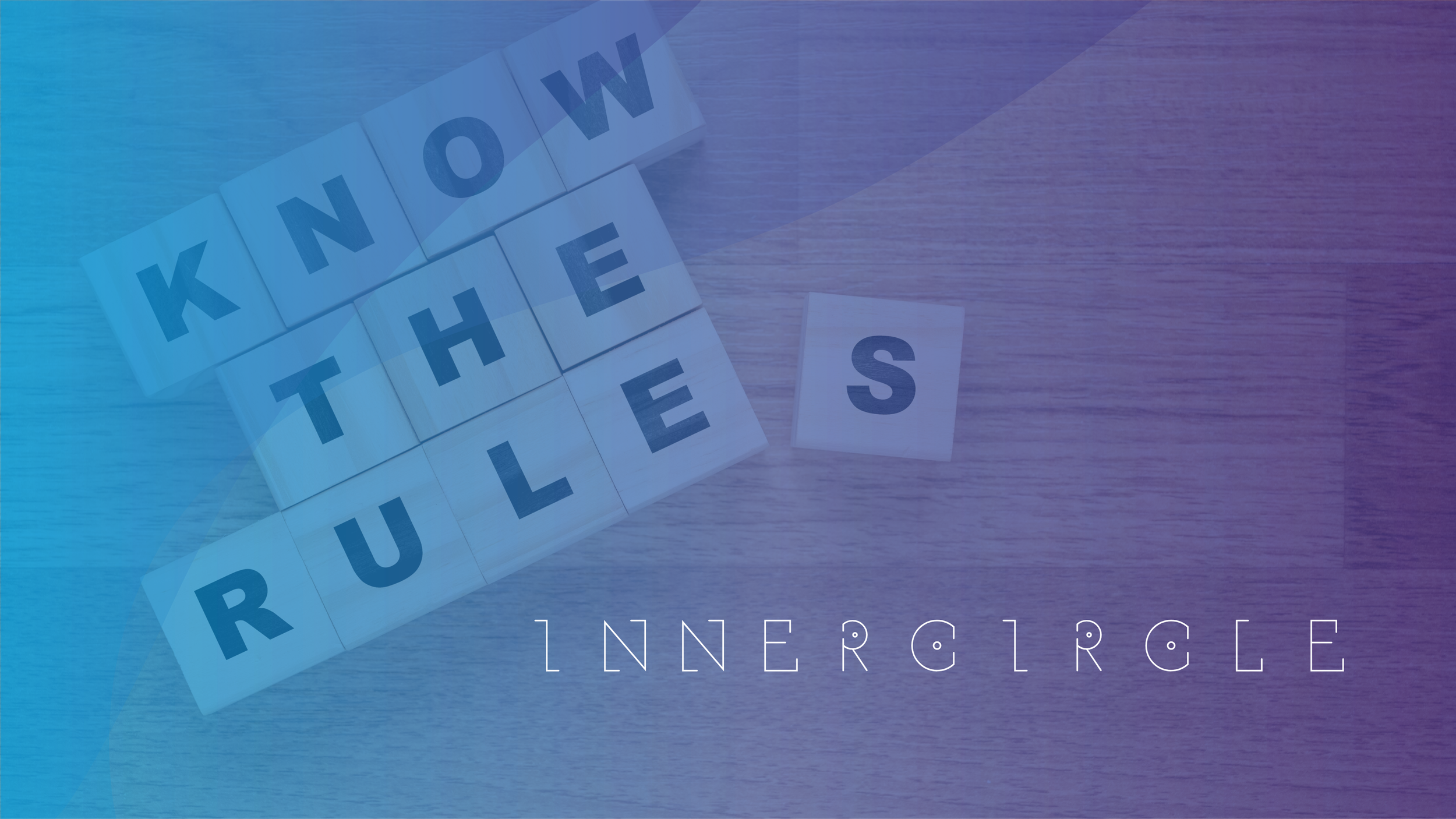
People Can’t Follow Rules They Don’t Know Exist
We all make assumptions about what other people should know. But if the expectations are unwritten, how can we be surprised when someone doesn't follow them?
Why change feels so hard (and what helps)
We tend to think people resist change because they don't like change. But what if they're actually responding to what they feel they're going to lose?
Does your high energy wear others out?
We tend to notice the obvious energy in a room. But what about the quieter energy that pushes back, digs in and quietly resists? Sometimes the person you think you're wearing out is wearing you out too.
2 questions that stop people shouting
When someone raises their voice, our instinct can be to focus on the shouting. But what if the more useful question is why they feel the need to shout in the first place?
Are you making it too easy for people?
Helping people is part of being a good leader. But there’s a point where helping becomes doing, and doing becomes getting in the way of someone else’s ability to learn, think and take responsibility.
How to deal with contradictions
People are full of contradictions. We want people to listen, but we also want them to speak up. We want to persevere, but sometimes we need to let go. Perhaps the trick isn't choosing between the two.

How to make a good impression
We all want to make a good impression. But perhaps the best way to do that isn't to work out what other people want to see. It's to understand yourself well enough to be comfortable being you.

Are relationships really all about connection?
We talk a lot about connection. But healthy relationships aren't about being open to everyone, all the time. Sometimes knowing when to close the gate matters just as much.

The Elephant in the Room
Some people are ‘pull your hair out’ annoying. But what if the person frustrating you isn't wrong? What if they're just standing on a different part of the elephant?

Do they trust you?
Trust doesn't appear overnight. It grows through the little things we do consistently, and it can be damaged just as quietly. But what builds trust for one person might not be what builds it for another.

How to help your feedback stick
Feedback is loaded with emotion on both sides. So how do you give feedback in a way that people can actually hear, understand and do something with?

Goal Setting That Connects
Goals in business are supposed to create shared direction. But shared means relationship. So what happens when the way we set goals takes the people involved out of the equation?

What makes people tick? And why is play important
What makes people tick? And what does play have to do with it? We can spend so much time trying to understand how people behave that we forget one of the things that makes us human in the first place.

The Biases That Shape How We See People
We like to think we're pretty good at judging people. But our brains are constantly taking shortcuts, filling in gaps and looking for evidence that we're right. So how much of what we see is actually there?

SAFER: A Simple Model for Better Communication
What happens between someone saying something and us responding? SAFER was my attempt to make sense of that space — the attention, meaning and emotion that shape how we respond to each other.

Are you taking enough social risks?
Remember when calling a friend meant ringing their landline and asking their parents if they were there? Social interaction used to require us to take little risks all the time. What happens when we stop exercising that muscle?